Make the view part of everyday life.
A reading corner. A dining table. A living room facing the snow. Reducing heat transfer through the frame helps support the comfort you want around large openings.
Snow-covered landscapes deserve a great view. Your home deserves thoughtful protection from the cold.
For homeowners dreaming of expansive glass and contractors bringing that vision to life, a thermal break is an important detail in choosing aluminum folding doors and windows for a cold climate.
Exterior metal → insulating barrier → interior metal
Conceptual illustration, not a product cross-section.
A thermal break is an insulating barrier between the inside and outside sections of a metal door or window frame.
Aluminum naturally conducts heat. In winter, an uninterrupted metal frame can give indoor warmth an easy path toward the colder outdoors. A thermal break interrupts that path, reducing heat transfer through the frame.
For your home, that means a frame designed to better support indoor comfort. For your project, it means you can consider the clean look of aluminum with energy performance in mind.
Lanai Doors’ E+ Aluminum folding door and window systems incorporate a thermal break designed for improved energy performance. Explore the thermally broken E+ Aluminum system.
Moisture from the air can collect on a cold door frame inside your home. In freezing conditions, it can become frost or ice that melts as the frame warms.
Aluminum without a thermal break readily transfers heat. In very cold weather, the interior side of the frame can become cold enough for moisture from indoor air to collect on it. When that surface is below freezing, frost or ice can form, either directly from water vapor or as condensation freezes.
As the frame warms, that frost or ice melts into water on the inside of the home. In less severe cold, moisture may collect as liquid droplets without freezing first. Both depend on the frame’s surface temperature and the moisture in the air.
Interior sweating can also happen in a warm climate when air conditioning chills a door surface and humid air reaches it. For example, hot, humid outdoor air entering through an open door or air leaks can meet a cooled interior frame and leave water droplets behind—much like moisture on a cold drink.
The key is moisture meeting a surface below that air’s dew point. High indoor humidity can also contribute. Hot weather outside and air conditioning inside do not automatically cause interior sweating: humidity, air leakage, and the actual surface temperature all matter. Weather seals and humidity control are important alongside the frame’s thermal design.
By slowing heat transfer through the frame, a thermal break helps the interior aluminum stay warmer than an otherwise comparable frame without one. A warmer interior surface can reduce the likelihood of condensation, giving homeowners another reason to consider thermally broken doors and windows for cold climates.
For homeowners, it is about a more comfortable space and less moisture collecting on cold frames. For contractors, it is a reason to discuss frame selection, glass, indoor humidity, and installation together before the project is built.
A thermal break reduces condensation risk; it does not guarantee a condensation-free door. Indoor humidity, ventilation, glass selection, outdoor temperature, and installation all affect whether moisture forms. If you notice persistent sweating, review those conditions with your contractor.
Learn about Lanai Doors’ thermally broken E+ Aluminum system ↗Whether you are updating a mountain retreat or building a year-round family home, doors and windows should support the way a room feels as well as the way it looks.
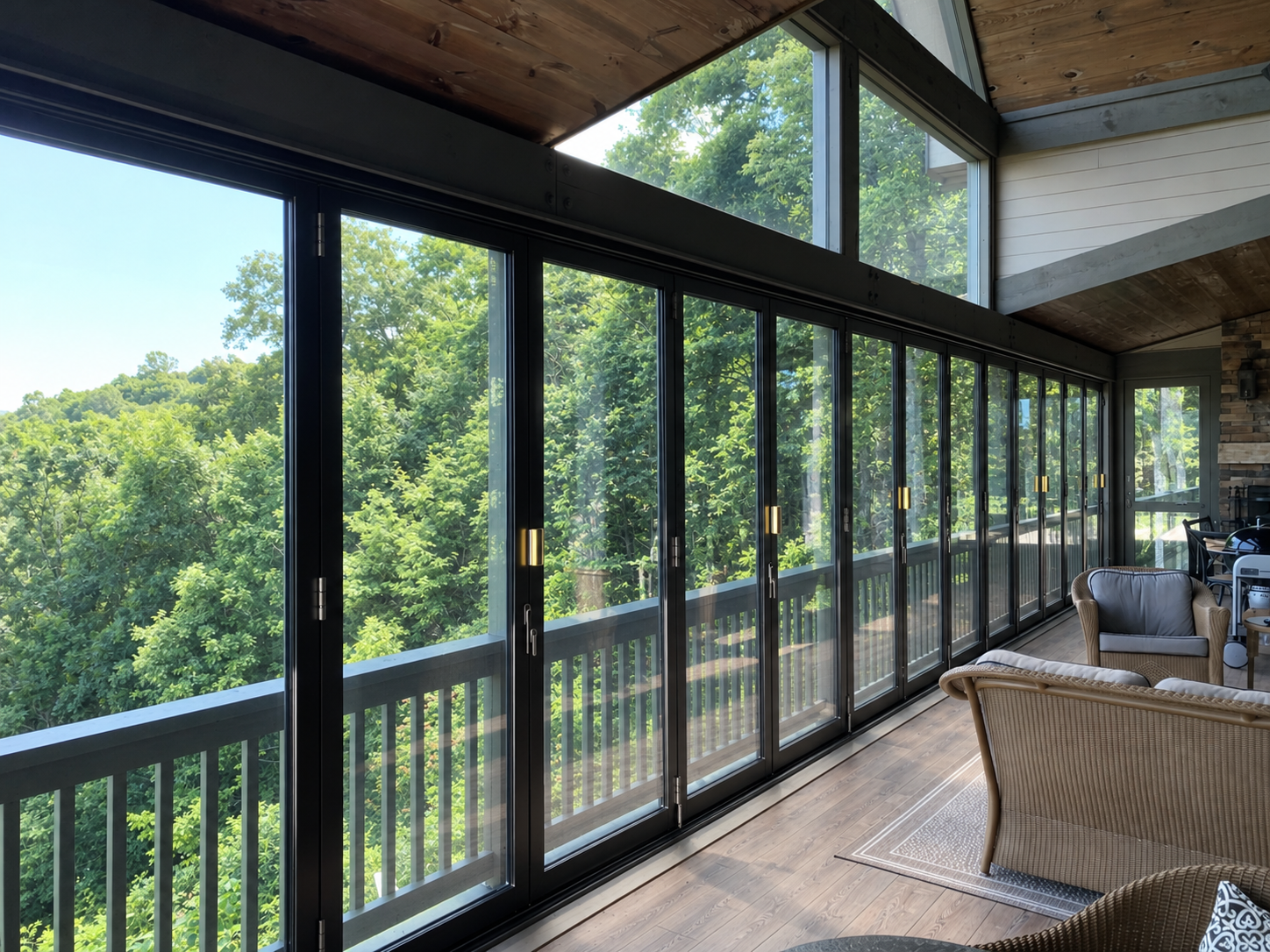
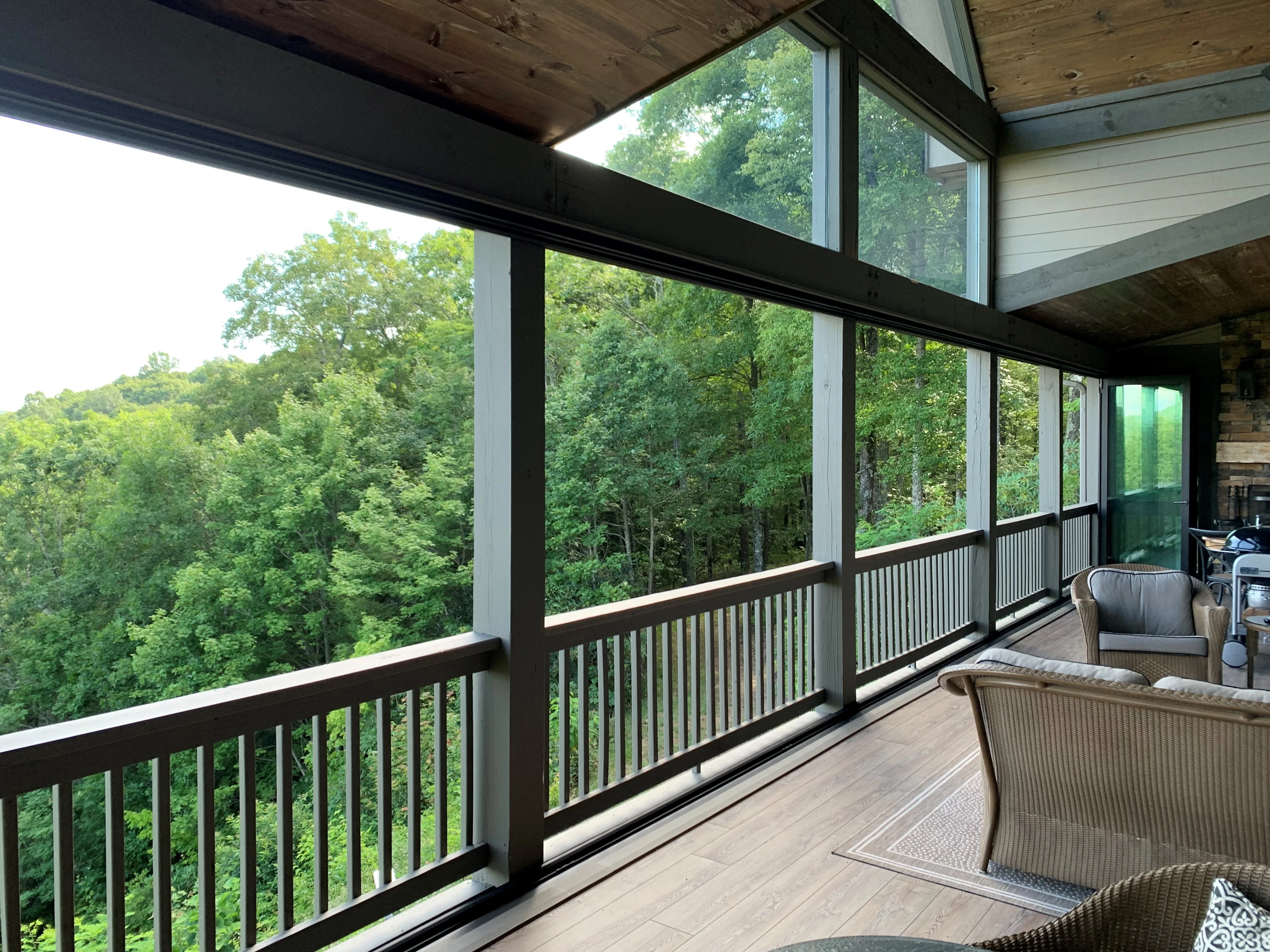
A reading corner. A dining table. A living room facing the snow. Reducing heat transfer through the frame helps support the comfort you want around large openings.
Lanai Doors’ E+ Aluminum system brings a contemporary profile to folding glass doors and windows, with custom configurations to suit your opening.
A folding opening invites you outdoors when the weather is mild. Thoughtful frame, glass, and installation choices help you plan for the months when the doors stay closed, too.
A thermal break addresses heat moving through the frame. Winter weather also calls for careful choices about glass, seals, thresholds, and the way the opening meets the building.
Start the conversation early so your design and your local conditions can be considered together.
Share the location, winter exposure, opening size, and intended use with your contractor and the Lanai Doors team.
Review the glass, frame, weather seals, and threshold together. A thermal break alone does not establish air or water resistance.
Coordinate flashing, sill drainage, exterior grades, and threshold details for your site. Keep drainage paths and operating areas clear of snow, ice, and debris.
Ask Lanai Doors and your contractor to confirm current product performance, local requirements, and installation details for your specific configuration.
Bring your ideas, your floor plan, and your winter wish list. Whether you want folding doors to a patio or a folding window for a gathering space, start by discussing the opening and the climate it needs to serve.
Homeowners can share how they want the room to feel. Contractors can bring the site conditions and construction details. Together, those conversations help shape a better-informed choice.
Explore Lanai Doors’ thermally broken folding door and window system, including design options and product resources for your next project.
View thermally broken doors & windows ↗It reduces heat transfer through a metal frame when indoor and outdoor temperatures differ. In cold weather, that helps limit one route for indoor heat to escape.
Yes, but the specific system and installation need to suit the project. Discuss thermal performance, air and water resistance, glass, threshold options, drainage, and local requirements with Lanai Doors and your contractor before selecting a configuration.
A thermal break reduces heat conduction through the frame. Weather seals, threshold design, installation, and maintenance address air and water entering around the opening. Both thermal design and weather protection matter.
A thermal break helps keep the inside of the frame warmer, which can reduce condensation compared with an otherwise comparable frame without a thermal break. Condensation can still occur when surfaces are cold enough and indoor humidity is high. Glass, ventilation, and installation also matter.
Ask how the opening will be flashed and drained, which threshold suits its exposure, how the glass and frame work together, and whether the proposed system meets local requirements. Include Lanai Doors in the discussion to confirm current product details.
Further reading: U.S. Department of Energy: window frames and thermal breaks · ENERGY STAR: winter condensation and indoor humidity · Department of Energy: moisture, frost, and cold surfaces · Building Science Corporation: humid-air leakage · Lanai Doors E+ Aluminum product resources
Want to see what is inside the frame? Read our Strut vs. Pour-and-Debridge thermal break guide to learn how the two methods differ and why Lanai Doors uses pour-and-debridge in its panel profiles. Then explore Lanai Doors’ thermally broken E+ Aluminum doors and windows for your project.
Discuss your opening with Lanai Doors ↗Tell us where you are building and what you have in mind. Let’s explore a Lanai Doors system for your cold-climate project.
Request a project estimate ↗